When an acid wash makes sense, and what draining and restarting a pool involves
It's a strong tool for a specific set of problems, and knowing which problems it fits saves you from an expensive step you didn't need.
October 20, 2026 · 3 min read
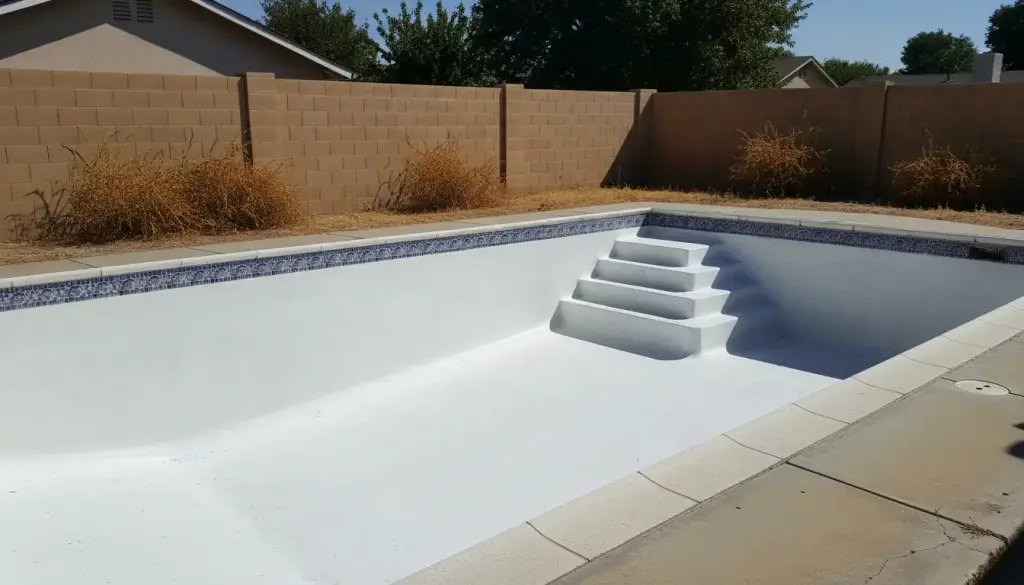
An acid wash gets mentioned a lot when plaster looks bad, but it's one of the most misunderstood jobs in pool care. Some owners ask for it because the pool looks dull. Others have been told they need one when they don't. It's a real fix for a real set of problems, but it's also a heavy step that involves emptying the pool, so it should come after the simpler options have been ruled out.
What an acid wash actually does
The pool is drained, and a diluted acid solution is applied to the plaster surface and scrubbed in. The acid removes a very thin layer of the surface, taking with it stains, scale and built-up mineral deposits that brushing and normal chemistry couldn't touch. Then the surface is rinsed thoroughly and the acid neutralized. What's left is clean, bright plaster, much closer to how it looked when it was new.
That thin layer is the catch. Because it removes surface material, an acid wash isn't something to repeat often, and it's not suited to every surface. Plaster that's already thin, rough or failing needs a different kind of repair, and acid on a weak surface can make it worse. A technician should look at the pool before recommending one.
When it makes sense
The classic case is heavy staining: dark blotches from algae that has been sitting on the plaster, rust marks, or stains left by organic matter like leaves that sat on the floor. Chemistry and brushing can handle light staining, but old stains soak in.
The second case is scale. In areas with hard water, calcium deposits form a rough, white crust on the walls and around the waterline. Light scale can sometimes be treated in the water, but a thick, hardened layer usually isn't coming off without draining the pool.
The third is a pool that's been neglected. A pool left sitting through a long season, full of dark water and heavy growth, often ends up with a plaster surface stained all over. An acid wash combined with a drain and restart can put it back to a reasonable starting point.
When to try something else first
If the problem is a green tint or a thin film, that's a water problem, not a plaster problem, and it gets solved with shock, filtration and brushing. If the stains are light, a stain treatment applied in the water may be enough. If the surface itself is cracking or rough, the plaster needs repair and an acid wash is not the answer. And if the cloudiness is from chemistry or the filter, draining the pool fixes nothing that a proper balance and a filter clean wouldn't.
What draining and restarting involves
Drain and restart is the process that surrounds an acid wash. The water is pumped out and the empty pool is inspected, which is a chance to see the plaster, tile and fittings in a way you never can when it's full. The acid wash is done, the surfaces are rinsed and neutralized, and the debris is cleared out of the bottom. Then the pool is refilled.
The restart is where the chemistry gets rebuilt from scratch. New water is tested, balanced and sanitized, and the filter and pump are brought back online. The first days after a restart matter: fresh plaster and fresh water need regular brushing and testing so the pool settles into a stable balance rather than drifting.
Why you shouldn't just drain it yourself
Emptying a pool looks easy because it's just pumping water. But a pool is built to be full. Depending on the ground around it, an empty pool can be pushed upward by groundwater pressure, and shells have cracked or popped out of the ground when drained carelessly. Hot sun on bare plaster can also damage it quickly. Where the drained water goes is another thing worth planning rather than discovering halfway through.
Acid is the other reason. It's a hazardous chemical that needs proper handling, protective gear and correct neutralizing. This isn't a weekend job to improvise.
- Identify what you're actually seeing: stain, scale, algae film or surface damage
- Try chemistry correction, brushing and in-water stain treatment first
- Have the plaster looked at before anyone drains the pool
- Plan the drain, the refill and the first days of restart chemistry in advance
Crystal Blue Pool Service and Spa does acid washes and pool drain and restarts for pool owners in Visalia, Tulare, Hanford, Lemoore and Porterville. See /acid-wash-pool or call (559) 679-5599.
Crystal Blue Pool Service and Spa, (559) 679-5599
Call (559) 679-5599More articles
What a weekly pool service visit actually covers
Most of a good weekly visit is catching small things while they're still small, and the schedule matters more than people expect once the heat arrives.
How a green pool gets brought back, and how to keep it from happening again
Green water looks like a disaster, but it follows a predictable recovery, and most of the work is in the order the steps happen.